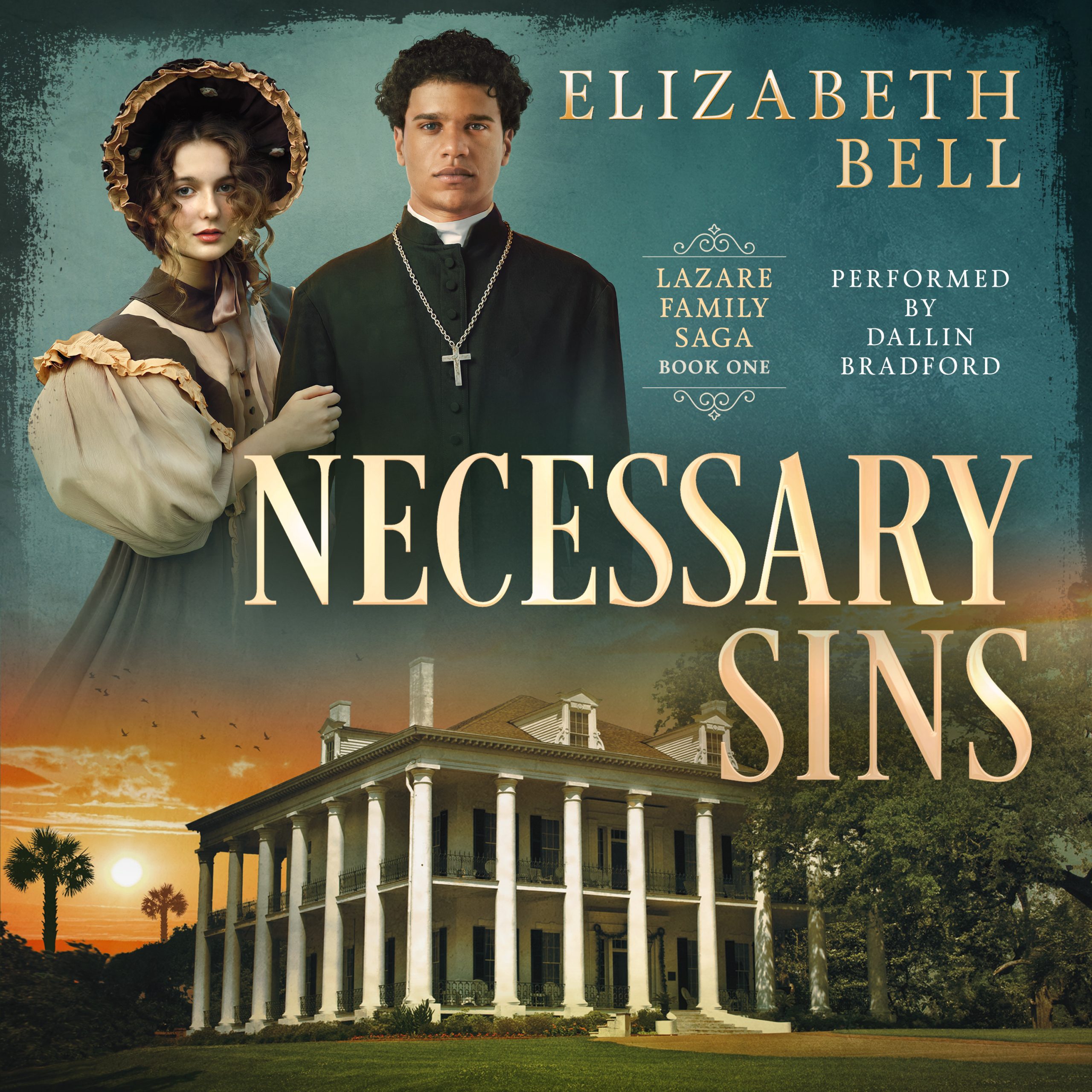
Book One: Necessary Sins
In antebellum Charleston, a Catholic priest grapples with doubt, his family’s secret African ancestry, and his love for a slaveholder’s wife.
Charleston, South Carolina, 1820s. Joseph Lazare and his two sisters grow up believing their black hair and olive skin come from a Spanish grandmother—until the summer they learn she was an enslaved African. While his sisters make very different choices, Joseph struggles to transcend the flesh by becoming a celibate priest.
Then young Father Joseph meets Tessa Conley, a devout Irish immigrant who shares his passions for music and botany. In another life, Joseph and Tessa would have founded a school, covered it in climbing roses, and grown old together. Instead, Joseph must conceal his true feelings as he conceals his true heritage. His vocation forces him to watch as Tessa marries another man—a plantation owner who treats her like property.
In a world divided by race, a colored man can commit no greater sin than desiring a white woman, and the Church insists that Joseph’s priesthood and Tessa’s marriage are irreversible sacraments. Acting on their need for each other will ruin them in this world and damn them in the next.
Or will it? Joseph must choose between the truths he’s always known and the love he never expected.
Settings:
1789-1843
Saint-Domingue, French West Indies
Paris, France
Rome, Papal States
Charleston, South Carolina
Read the opening pages of the Necessary Sins Kindle edition here.
“Necessary Sins is a rare breed of book, invoking family epics of the past such as The Thorn Birds… The writing is poetic and…renders a vivid world that truly feels like stepping back in time. Elizabeth Bell is an amazingly talented writer who is not afraid to grapple with weighty moral and ethical issues in a way true to the time period and its characters. … Extremely highly recommended…”
—Historical Novels Review (with the original cover)
“Without question the best book I have read this year. Five stars by every possible metric. I read widely across all genres, and Elizabeth Bell possesses the quality I consider most important in a truly great writer: she is fearless.”
—Ramsey Hootman, Goodreads review
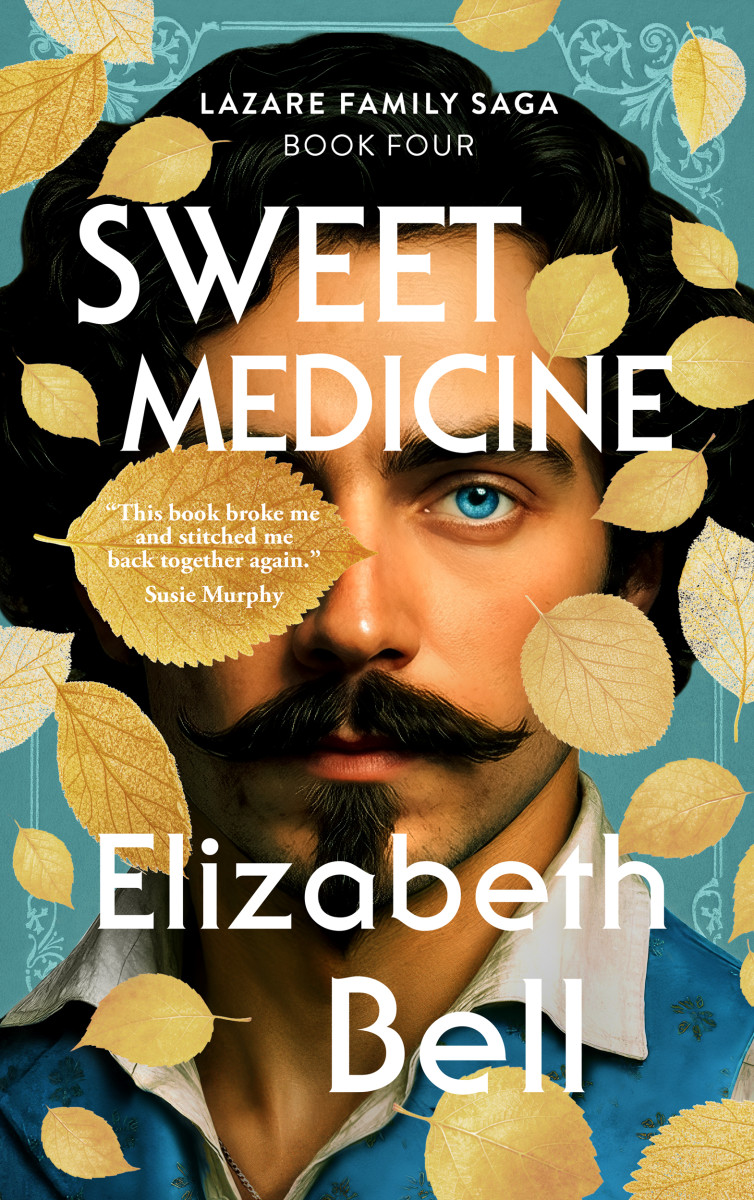
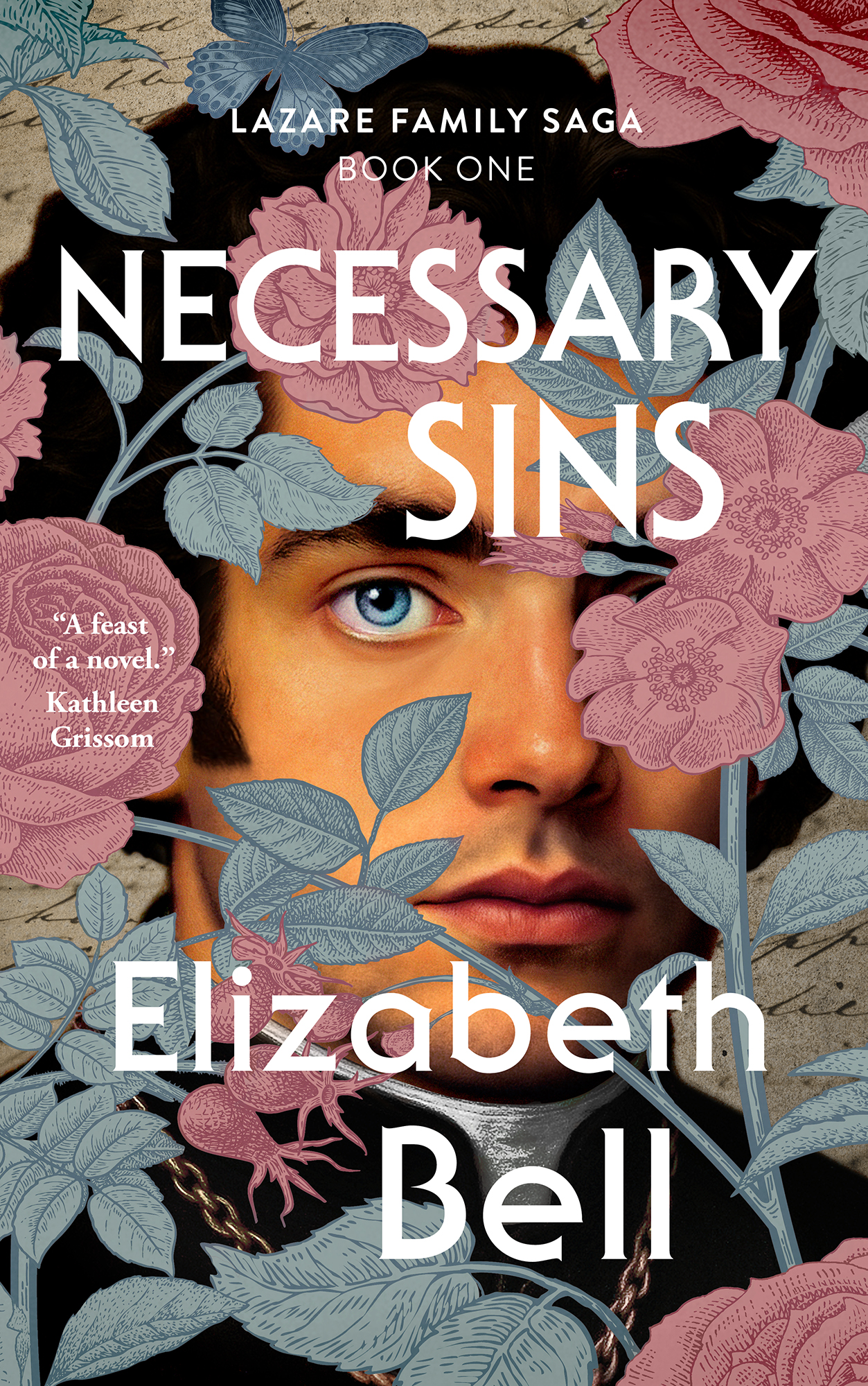
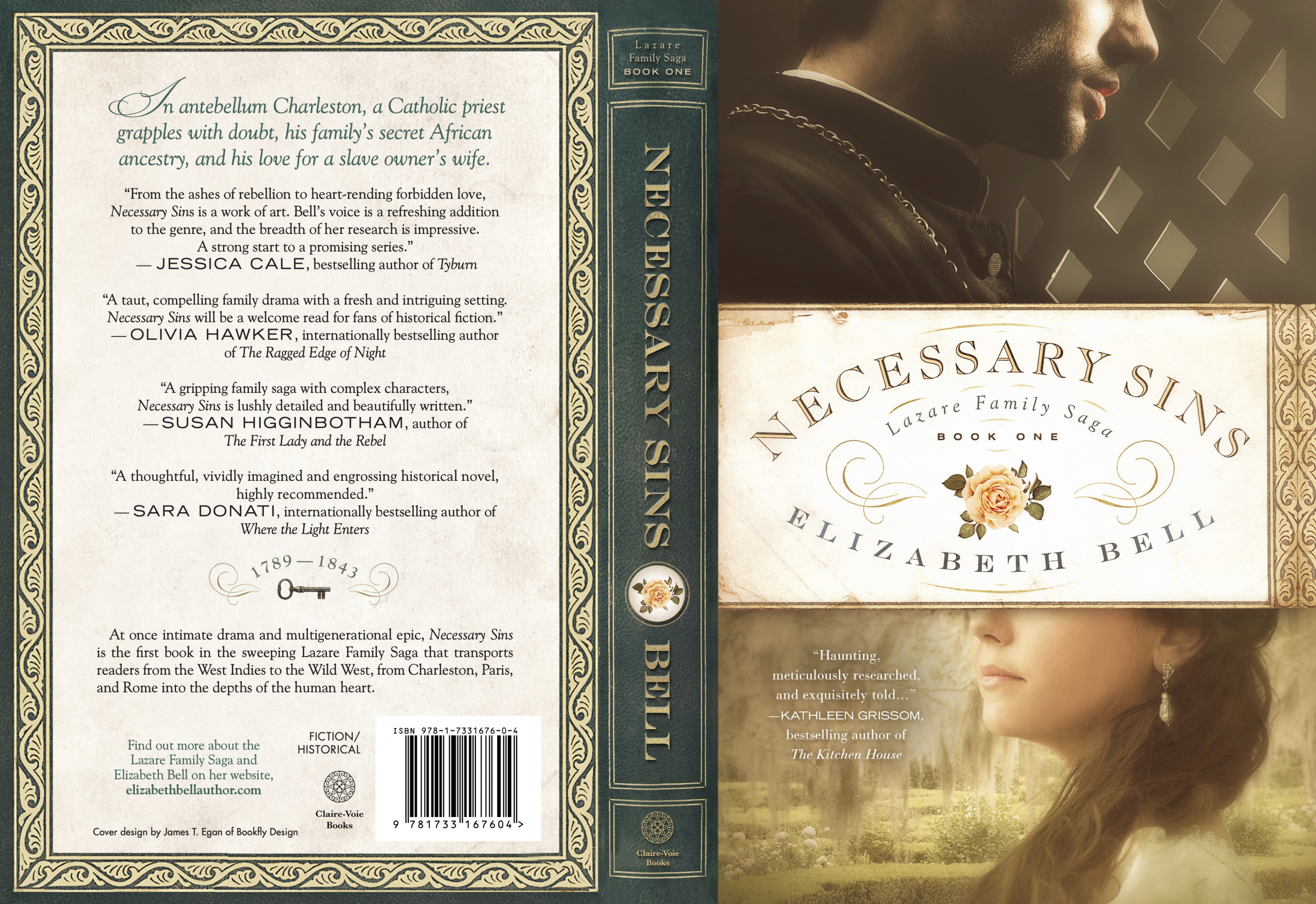
Why do my books have multiple cover designs?
Because my work crosses genres, and it isn’t easy to represent visually.
These blog posts explain more:
2026-present Covers (still in transition):
Third Time’s the Charm?
Behind My 2026 Covers
2022-2025 Covers:
Anatomy of a Book Cover, Part 1
Anatomy of a Book Cover, Part 2
2019-2021 Covers:
Necessary Sins Has a New Cover!